
When most people think about Nigerian universities, they think about lectures, examinations, admission lists, school fees, and graduation ceremonies. But behind the classrooms, crowded lecture halls, and academic calendars lies a fascinating world filled with history, innovation, traditions, and surprising achievements that many students never hear about.
From institutions older than some African nations to campuses that have produced presidents, Nobel Prize nominees, global business leaders, and groundbreaking researchers, Nigerian higher education has a story far richer than most people realize.
Whether you’re preparing for university admission, currently studying, or simply curious about higher education in Nigeria, these interesting facts will give you a fresh perspective on the country’s university system.
Nigeria has one of the largest higher education systems in Africa. With federal, state, and private institutions spread across the country, universities play a critical role in shaping the nation’s future. Yet beyond academics, many of these institutions have unique stories, records, and achievements that set them apart.
Here are ten fascinating facts you probably didn’t know.
Many students are surprised to learn that the University of Ibadan, Nigeria’s first university, was established in 1948. This was more than a decade before Nigeria gained independence in 1960.
Originally founded as a college affiliated with the University of London, it laid the foundation for modern higher education in Nigeria. This shows that university education in Nigeria has deep historical roots and has been developing for over seven decades.
Several Nigerian presidents, governors, ministers, and lawmakers earned degrees from Nigerian institutions. Universities have long served as training grounds for leadership and public service.
Many of the country’s most influential decision-makers once sat in the same lecture halls as today’s students. The next major leader, policymaker, or innovator could be sitting in a university classroom right now.
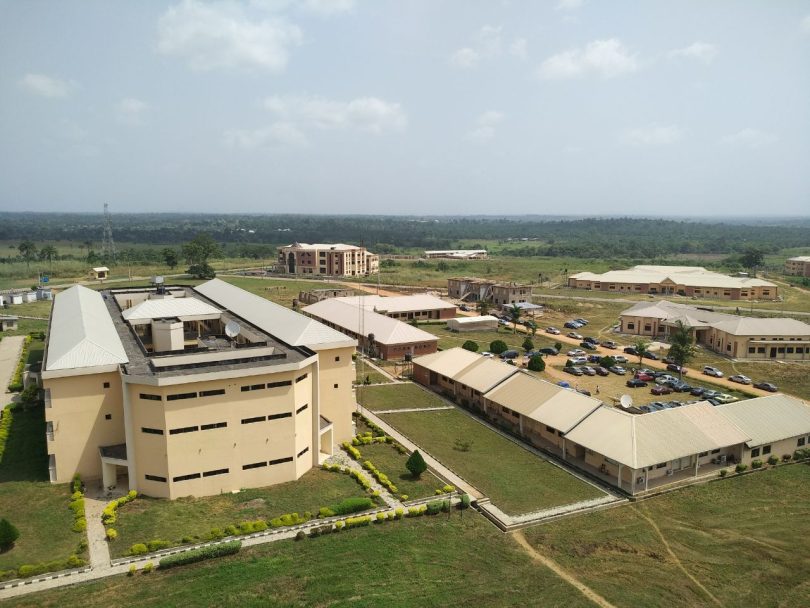
Certain campuses in Nigeria occupy enormous land areas. Institutions such as Ahmadu Bello University and Obafemi Awolowo University have sprawling campuses containing lecture halls, hostels, hospitals, research centers, religious facilities, and commercial areas.
Some campuses function almost like self-contained communities. For many students, university life involves living in an environment that feels like a small city.
A few decades ago, the number of universities in Nigeria was relatively small. Today, the country has hundreds of universities across federal, state, and private categories.
The growth reflects increasing demand for higher education and expanded access to learning opportunities. Students now have significantly more choices when selecting institutions and academic programs.
Many leading institutions operate teaching hospitals that provide healthcare services while training future medical professionals. These facilities contribute to healthcare delivery and medical research across the country.
Thousands of doctors, nurses, and healthcare specialists receive practical training through these hospitals. Universities not only educate students; they also provide essential services to society.
READ RELATED STORIES
Forgot Your NYSC Login Password? Here’s How to Recover It
Private vs Federal Universities in Nigeria: Which offers better value?
Top 10 federal universities In Nigeria ranked by reputation, experience
University students have historically played important roles in discussions about governance, democracy, and social development. Student movements have often contributed to debates on issues affecting the nation.
Many influential activists and public figures began their journeys in campus organizations. University life can help students develop leadership, communication, and advocacy skills beyond academics.
While discussions often focus on teaching, several Nigerian universities contribute significantly to global research. Researchers from Nigerian institutions have published studies in medicine, agriculture, engineering, technology, and social sciences.
Many collaborate with scholars and organizations worldwide. Nigerian universities are increasingly contributing to solutions for both local and global challenges.
One factor many applicants consider is the stability of a university’s academic calendar. Over time, some institutions have developed reputations for completing academic sessions more consistently than others.
This has become an important consideration for students who want predictable graduation timelines. A university’s academic calendar can influence career planning, postgraduate studies, and employment opportunities.