
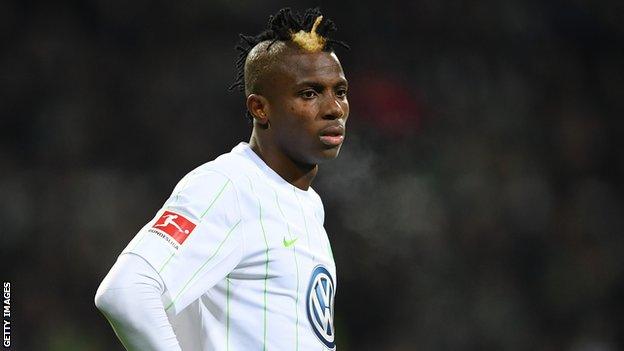
Victor Osimhen is one of Nigeria’s most influential personalities because he has turned personal struggle, elite goalscoring and African football pride into global sporting power. His story carries more than football success; it carries hope, national emotion and proof that Nigerian talent can command the world stage.
PrimeTimes’s estimated weighted influence score for Victor Osimhen is 92.0/100, ranking him among Nigeria’s top public figures. His power does not come from politics or formal office; it comes from goals, global visibility, market value, national pride and the inspiration his journey creates for millions of young Nigerians.
.jpg?auto=webp&format=pjpg&width=3840&quality=60)
His influence is not built on politics or formal office. It is built on goals, public emotion, market value, national expectation and the way Nigerians see themselves through his success. In a country where football remains one of the strongest sources of unity, Osimhen has become more than a striker. He has become a symbol of possibility.
His story carries strong human meaning. His journey from difficult beginnings in Lagos to the top level of European football gives his rise emotional force. It connects with Nigerians who see sport as one of the few routes from hardship to global recognition.
Osimhen’s institutional power is not formal. He does not run the Nigeria Football Federation or control a club. His influence comes from his value in the transfer market, his importance to any team he plays for, his commercial appeal and his ability to move public attention. When Osimhen is fit, scoring and in the headlines, Nigerian football feels larger.
His tangible impact is clear. At Napoli, Osimhen became central to the club’s historic Serie A title win in the 2022–23 season. Napoli said he became the first African player to score 26 goals in a single Serie A season and one of only four Napoli players to reach 26 or more goals in a Serie A campaign.
That achievement mattered beyond club football. It made him one of Nigeria’s clearest symbols in European sport. His goals helped put Nigeria at the centre of football conversations in Italy and across the world.
His individual recognition also strengthened his national status. In December 2023, the Confederation of African Football named Osimhen the 2023 African Men’s Player of the Year after his performances for Napoli and Nigeria.
For the Super Eagles, Osimhen is more than a striker. He is the player many Nigerians look to when the team needs belief, goals and emotional energy. His presence changes public expectation around the national team. When he plays, supporters expect danger, fight and leadership in attack.
His influence also comes from transfer power. In July 2025, Galatasaray signed him from Napoli for €75 million, making him the most expensive incoming transfer in Turkish football history. Reuters reported that the deal was a permanent move and that Galatasaray signed him on a four-year contract from the 2025–26 season.
That record transfer matters because influence in modern football is also measured by market value. When a Nigerian player becomes the most expensive signing in Turkish football history, it is not just a club deal. It is a statement about Nigerian talent, African market power and global respect.
His move to Galatasaray also strengthened his 2026 relevance. He had already built a strong bond with the Turkish club during his loan spell before making the move permanent. Reuters later noted that Osimhen had been on loan at Galatasaray the previous season before the Turkish champions completed the record transfer.
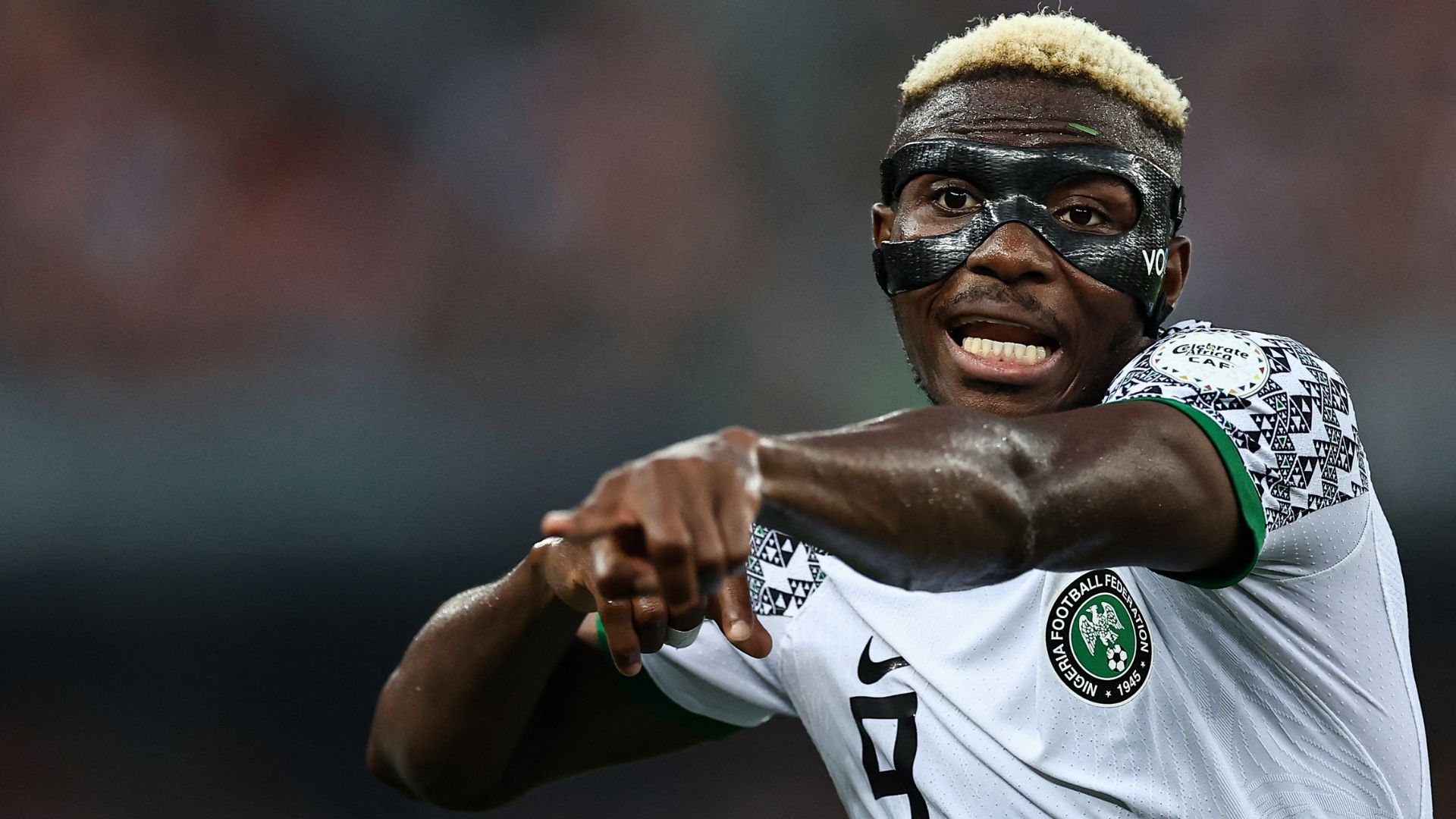
His soft power is equally important. Osimhen’s protective face mask, aggressive pressing, emotional celebrations and fearless style have made him easy to recognise. For fans, the mask has become part of his identity. It adds to the image of a fighter who plays through pressure and pain.
For many Nigerians, Osimhen represents ambition without apology. He shows that a boy from Lagos can become a major figure in Italy, Turkey and European football. That is why his generational influence is high. Young players do not only watch his goals; they study his journey.
In Nigerian football history, Osimhen now stands in the line of icons such as Rashidi Yekini, Nwankwo Kanu and Jay-Jay Okocha. What makes him different is the modern scale of his transfer value, media attention and global club profile. He is a Nigerian football icon shaped by the digital age, where every goal, transfer story and celebration travels instantly.
His influence has limits. He does not command votes, write policy or control a national economy. Football careers are also volatile. Injuries, form, transfers and national-team results can quickly affect public standing. That makes his power less stable than that of business leaders or political figures.
But those limits do not reduce his importance. In modern Nigeria, football is culture, identity and diplomacy. A player who can lift national pride, command international headlines and carry the Nigerian flag across elite football spaces is a major public figure.
Dangote represents industrial power. Tinubu represents political power. Burna Boy and Wizkid represent global music power. Funke Akindele represents Nollywood’s commercial force. Victor Osimhen represents Nigeria’s footballing pride, fighting spirit and global sporting value.
Osimhen’s influence is not only in the goals he scores. It is in the belief he carries. He gives Nigerian football a face, a story and a global platform. For millions of young Nigerians, he is proof that hardship can become power when talent meets discipline.