
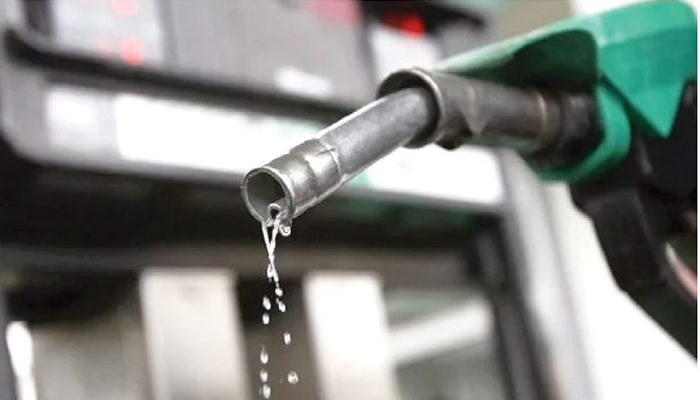
Petrol prices have surged sharply across Nigeria, with pump rates climbing as high as N1,444 per litre in what analysts describe as a direct consequence of rising global crude oil prices.
A market survey conducted on Thursday evening revealed that several major marketers, including Nigerian National Petroleum Company Limited, MRS, BOVAS, AP (Ardova), and Mobil, adjusted their pump prices to between N1,364 and N1,370 per litre. Meanwhile, other filling stations such as AA Rano, Emedab, Empire Energy, and Ranoil have pushed prices even higher, selling petrol within the range of N1,370 to N1,440 per litre.
The latest increase represents a significant jump from the approximately N900 per litre recorded in February 2026, underscoring the persistent volatility in Nigeria’s downstream petroleum sector.
This development follows a recent upward review of gantry and ex-depot prices by Dangote Refinery and depot operators, who raised rates to N1,275 and N1,320 per litre respectively. The adjustment was attributed to a sharp rise in international crude oil prices.
As of Friday morning, global oil benchmarks showed continued upward momentum. Brent Crude traded at $111 per barrel, while West Texas Intermediate stood at $105 per barrel. The surge has been driven largely by ongoing geopolitical tensions involving the United States, Iran, and Israel in the Middle East.
Further complicating the global energy landscape is the recent withdrawal of the United Arab Emirates from the Organization of Petroleum Exporting Countries, a move that has heightened uncertainty and contributed to price volatility.
Industry stakeholders have acknowledged the ripple effect on Nigeria’s domestic fuel market. Chinedu Ukadike, spokesperson for the Independent Petroleum Marketers Association of Nigeria, noted that while local refining efforts have offered some relief, global dynamics continue to exert strong pressure.
“Though Dangote Refinery has helped cushion the impact, global crude oil price volatility is impacting the domestic market,” he said.
The sustained rise in petrol prices has intensified calls for urgent government intervention, particularly as Nigerians face mounting economic challenges. The situation is especially critical as workers mark International Workers’ Day, with the national minimum wage standing at N70,000 amid a rising cost of living.
With fuel prices approaching N1,500 per litre, concerns are growing over the potential impact on transportation costs, food prices, and overall economic stability in the country.