
1 / 6
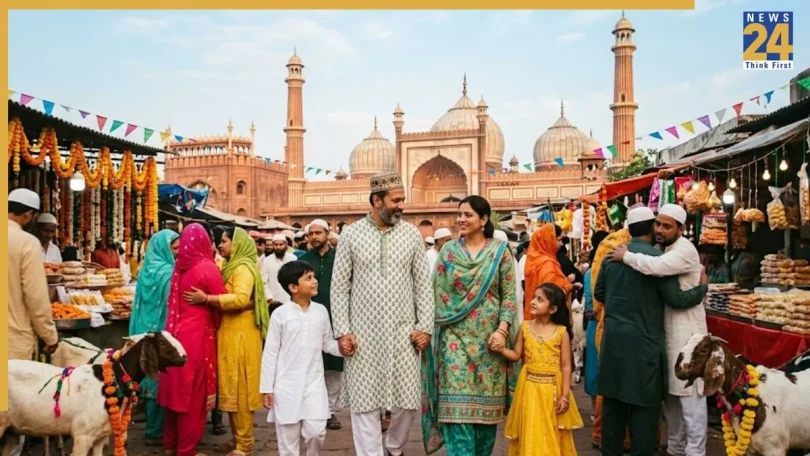
Bakrid 2026, also known as Eid al-Adha or Eid-ul-Zuha, is expected to be celebrated either on May 27 or May 28 in different parts of the world. The confusion comes from crescent moon sightings, which decide the beginning of the Islamic month of Dhul Hijjah. Since moon sightings can vary by country and region, Eid dates may differ by a day.
When will India celebrate Eid al-Adha 2026?

2 / 6
Most parts of India are likely to celebrate Bakrid on May 28, 2026, after reports suggested the Dhul Hijjah moon may not be sighted on the expected day. However, some regions including parts of Jammu and Kashmir could observe Eid on May 27 depending on local moon sightings and announcements by religious authorities.
Saudi Arabia and Dubai likely to celebrate earlier

3 / 6
Saudi Arabia and the UAE, including Dubai, are expected to celebrate Eid al-Adha on May 27, 2026. Since Saudi Arabia plays a major role in determining Islamic festival timelines globally, many countries often follow its moon-sighting announcements. Arafat Day is expected to fall a day before Eid.
Pakistan, UK and US may follow different moon sightings

4 / 6
Pakistan is also expected to celebrate Bakrid on May 28, though the final date will depend on moon sightings there. Meanwhile, countries like the United Kingdom and the United States may celebrate Eid either on May 27 or May 28, depending on local Islamic bodies and regional moon sighting committees.
Why does Eid al-Adha date change every year?

5 / 6
Eid al-Adha follows the Islamic lunar calendar, which is around 10 to 11 days shorter than the Gregorian calendar. The festival is celebrated on the 10th day of Dhul Hijjah, but the exact date depends entirely on crescent moon visibility, which is why countries often announce different Eid dates.
What is Eid al-Adha celebrated for?

6 / 6
Eid al-Adha is one of the most important festivals in Islam and honours Prophet Ibrahim’s devotion and willingness to sacrifice for faith. The festival is marked with special prayers, charity, community gatherings and traditional meals shared among family, friends and the needy.