
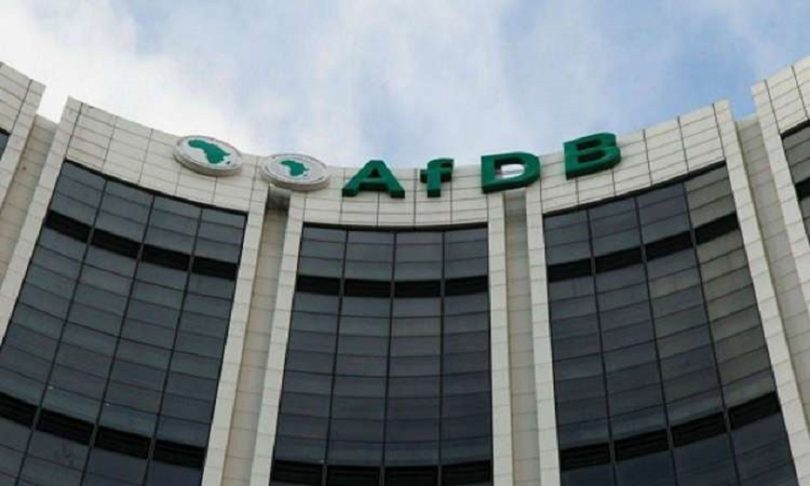
Africa’s economic growth is expected to slow slightly to 4.2 per cent this year from 4.4 per cent last year, the African Development Bank (AfDB) said.
The drop is expected to occur as Middle East tensions push up fuel and food costs, before picking up again in 2027.
The AfDB said in its annual outlook published on Tuesday that despite last year’s shocks from trade and geopolitical tensions, the continent remained one of the world’s fastest-growing regions alongside Asia, outpacing Europe and Latin America.
Last year’s growth of 4.4 per cent was driven by higher farm output, improved macro-economic policies and higher commodity prices.
The Abidjan-based regional development bank said it expected growth next year to return to 4.4 per cent, with forecasts based on the assumption that the Middle East shock will last for two to three months.
“The impact of this shock on growth and macroeconomic stability will depend on the duration of the supply chain disruptions and their effects on global energy and fertiliser prices,” it said in the report.
East Africa, the continent’s fastest-growing region, is forecast to slow this year by more than half a percentage point as the crisis drives up energy and import costs and worsens food security risks.
The report was released at the bank’s annual meeting in Brazzaville, the capital of the Republic of the Congo, which is focusing on ways of harnessing regional capital pools to fund its development needs.
It comes as Congo’s neighbours, the Democratic Republic of Congo, battle the resurgence of the Ebola virus, which has raised concerns.
However, AfDB and the host government have reassured delegates that there are no cases in the country so far, and authorities are conducting surveillance in line with the World Health Organisation (WHO). guidelines.
The President of the lender, Mr Sidi Ould Tah, who took over the bank’s top job last September, has made securing development finance for the continent from its own savings under a plan known as NAFAD, a key plank of his presidency, which started as overseas development aid started dwindling.
“Achieving sustained and inclusive growth will require a substantial increase in investment,” Mr Tah said in the report.
Mr Tah said Africa must raise its annual growth rate to more than 7 per cent and sustain it for decades, in order to create the large number of jobs needed and cut poverty.
SEE Full Details ➜