
1 / 7
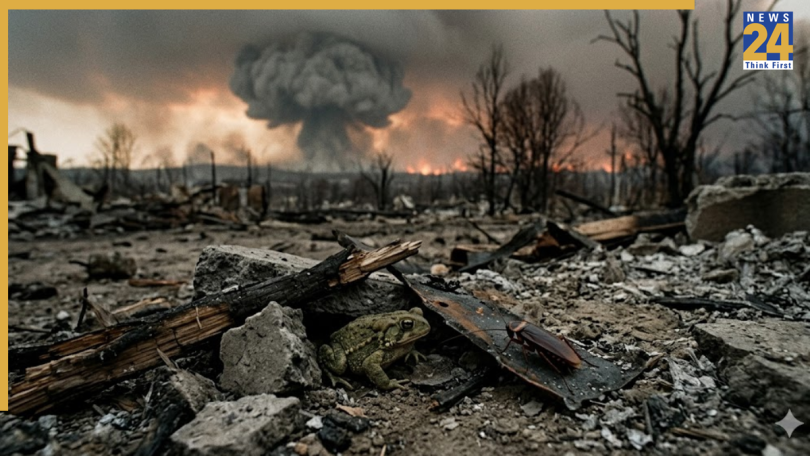
From radiation-resistant cockroaches to space-surviving tardigrades, these extraordinary animals showcase nature’s extreme survival powers, enduring fire, freezing temperatures and even nuclear-like conditions that would destroy most lifeforms.
Tardigrades

2 / 7
Tardigrade are microscopic animals often called “water bears.” They can survive boiling heat, freezing cold, dehydration and massive radiation exposure. Scientists even sent them into outer space, where they survived vacuum conditions and cosmic radiation. Researchers believe tardigrades could outlive many global extinction events.
Wood Frogs

3 / 7
Wood frog survive brutal winters by freezing almost completely. Their hearts stop beating, ice forms inside their bodies and they remain frozen for months. When temperatures rise, they thaw naturally and continue living normally. Scientists consider them one of nature’s most fascinating survival experts.
Braconid Wasps

4 / 7
Braconid wasp have shown unusual resistance to ionising radiation. Researchers say their genetic structure helps reduce cell damage caused by radiation exposure. This resilience may explain how some insect populations recover quickly even after environmental disasters.
Ants

5 / 7
Ant have demonstrated remarkable adaptability. Scientists once discovered a colony of wood ants surviving inside an abandoned Soviet nuclear bunker without sunlight or regular food sources. The colony continued living in extreme radioactive surroundings, showing how organized insect societies can endure difficult environments.
Pyrophilic Beetles

6 / 7
Pyrophilic beetle are unique insects that actively seek forest fires. They lay eggs inside freshly burned trees where predators are fewer. These beetles have special heat sensors that detect flames from miles away, while their tough exoskeletons help them survive near intense heat.
Scorpions

7 / 7
Scorpion have existed for hundreds of millions of years and survived multiple mass extinction events. They can tolerate high temperatures, long starvation periods and radioactive environments better than many other creatures. Their survival abilities make them one of nature’s oldest and toughest predators.