
Nigeria has been listed among the countries most severely affected by global hunger, as a new report warns that food insecurity is rapidly worsening across conflict-affected regions.
The 2026 global report on food crises, released by an alliance of UN agencies, the European Union and other partners, shows that Nigeria is among 10 countries accounting for nearly two-thirds of people facing acute food insecurity worldwide.
According to the report, about 266 million people across 47 countries experienced severe hunger in 2025 — a sharp rise compared to previous years and nearly double the proportion recorded in 2016.
Qu Dongyu, the food and agriculture organization director-general, warned that the crisis is no longer temporary but has become entrenched. “Acute food insecurity today is not just widespread – it is also persistent and recurring,” he said.
Nigeria’s situation is further compounded by conflict and displacement. The report identifies violence as the primary driver of hunger globally, accounting for more than half of all severe food insecurity cases.
Other countries in the high-risk group include Afghanistan, the Democratic Republic of the Congo, Sudan, Yemen and Pakistan.
At the extreme end of the crisis, famine conditions were confirmed in parts of Gaza and Sudan in 2025 — the first time two separate famines have been recorded in a single year since the report’s inception.
UN Secretary-General António Guterres described the findings as urgent, calling for decisive global action.
“This report is a call to action… to rapidly scale up investment in lifesaving aid, and work to end the conflicts that inflict so much suffering,” he said.
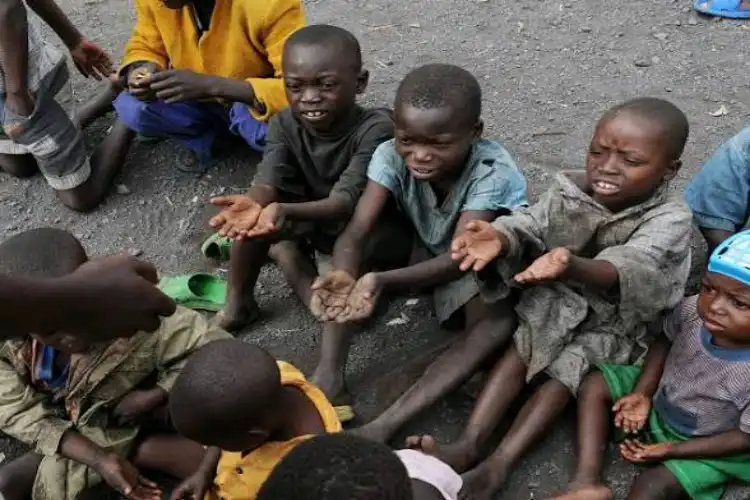
Children remain the most vulnerable. The report found that 35.5 million children were acutely malnourished in 2025, with nearly 10 million suffering from severe acute malnutrition — a life-threatening condition.
A UNICEF official, Ricardo Pires, warned that such children face heightened risk of death due to weakened immune systems.
The crisis is also being fuelled by displacement, with more than 85 million people forced from their homes in affected regions. Displaced populations are consistently more vulnerable to hunger than host communities.
Despite the growing need, funding for humanitarian food responses has declined to levels last seen nearly a decade ago, limiting the ability of governments and aid organisations to respond effectively.
Looking ahead, the outlook remains bleak. Ongoing conflicts, climate shocks and economic instability are expected to sustain high levels of food insecurity in 2026, with warnings that global market disruptions could further push up food prices.
Aid agencies say without a shift from reactive to preventive strategies, the world risks being trapped in a cycle of worsening hunger and humanitarian crises.