
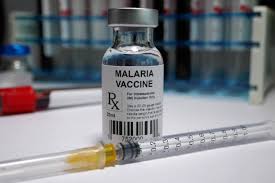
(Malaria Vaccine. Photo by 21st Century Chronicle)
In a fresh effort to lower the high malaria burden in the nation, Nigeria is extending its malaria vaccination program to more states, despite pressure on immunization financing and distribution infrastructure from dwindling donor support and growing expenses.
This was revealed on Tuesday in Abuja by Dr. Muyi Aina, Executive Director of the National Primary Health Care Development Agency.
At the agency’s first quarterly media briefing for 2026, Aina revealed this, pointing out that money comes from both federal appropriations and development partners, including Gavi, the Vaccine Alliance.
But he cautioned that outside assistance is dwindling.
“As global donor resources continue to decline, countries are now expected to increase domestic financing,” he stated.
Nigeria’s malaria vaccine rollout has now moved beyond its initial pilot phase in Bayelsa and Kebbi states to include Bauchi and Ondo, following readiness assessments.
The extension is a component of a larger initiative to incorporate routine immunization against malaria in high-burden areas.
Aina clarified that financing for vaccines involves more than just purchasing.
“Vaccine financing covers procurement, outbreak-response, as well as logistics including syringes, waste management systems, incinerators, and cold chain equipment,” he said.
He added that operational costs for nationwide immunisation delivery also represent a significant portion of government investment.
Despite progress in expanding coverage, health officials say the malaria vaccine presents a unique challenge due to its four-dose schedule, which requires consistent follow-up to ensure full protection.
Aina said, “What is unique about the malaria vaccine is that it requires four doses, and ensuring children return for all doses remains a key challenge.”
Dropouts between doses have emerged as a key concern, prompting government efforts to strengthen tracking and follow-up systems across states.
According to Aina, vaccine administration has steadily increased across implementing states:
“In the area of coverage, a total of 984,559 children have received at least one dose in Kebbi and Bayelsa, while Ondo recorded more than 166,342 children and Bauchi 105,890.
“This brings the total number of children reached to almost 1.3 million,” he said.
He also revealed that the national cold chain system presently holds over 600,000 vaccination doses for distribution in the future.
Aina emphasized the safety profile of vaccines and regarded them as one of the most economical and successful public health measures.
He said, “Vaccines are much safer and much cheaper than most medicines people buy in stores or use for malaria treatment.”
He noted that vaccines undergo strict testing and regulatory evaluation before approval.
“Vaccines are highly effective in preventing diseases such as measles. Its success often leads to reduced visibility of such diseases in communities,” he emphasised.
He added, “While all medical interventions, including food and medicines, may have side effects, vaccines remained among the most thoroughly tested and safest preventive tools.”
He called for sustained public confidence in immunisation programmes and health workers.
“He urged the public to maintain faith in health workers and immunisation programmes, noting that the government was also investing in incentives and staffing to strengthen vaccine delivery.”
He also observed that immunisation efforts are often underappreciated despite heavy government investment.
“He reiterated that vaccination programmes often go unnoticed in spite of heavy investment.”
Nigeria’s increased use of malaria vaccines into additional states marks a significant milestone in its public health response to one of the country’s most persistent killers.
However, officials say sustaining progress will depend on improved domestic financing, stronger logistics systems, and ensuring children complete the full four-dose schedule needed for effective protection.
The sustainability of Nigeria’s malaria vaccine rollout will depend more and more on how soon domestic systems can handle the burden of an expanding immunization agenda as foreign financing becomes more scarce and demand increases.