
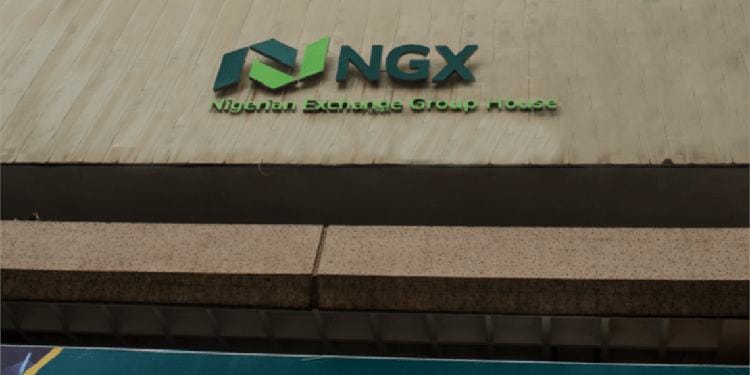
Nigeria’s equities market delivered a record-breaking performance in the first quarter of 2026, with total transactions on the Nigerian Exchange Limited (NGX) rising sharply to N4.14 trillion.
The figure represents the highest quarterly turnover ever recorded on the bourse, nearly doubling the N2.23 trillion posted in the corresponding period of 2025, signalling a major surge in market liquidity and investor activity.
Trading volumes showed steady growth throughout the quarter. Transactions stood at N861.9 billion in January before climbing to N1.54 trillion in February and peaking at N1.74 trillion in March, reflecting sustained momentum across the market.
A breakdown of the data indicated strong domestic participation, with local investors accounting for N3.61 trillion, or 86.94 per cent of total trades. Foreign investors contributed N541.99 billion, highlighting continued but cautious offshore interest.
Market analysts attributed the rally to a combination of structural and macroeconomic factors, including the conclusion of the banking sector recapitalisation exercise, strong corporate earnings for 2025, and a landmark surge in the All-Share Index beyond the 200,000-point threshold.
“The Nigerian capital market is undergoing a structural turnaround,” analysts at Comercio Partners said, pointing to improving fundamentals and deeper investor engagement.
In response to rising activity, the Nigerian Exchange Group has extended daily trading hours from 9:30am to 4:00pm, effective April 27.
Analysts say the move will enhance price discovery and provide investors with more time to react to market developments.
CardinalStone researchers noted that the longer trading window is expected to improve asset pricing, expand retail participation, and reduce intraday volatility by boosting trade volumes and tightening bid-offer spreads.
The market’s positive trajectory is further supported by Nigeria’s anticipated upgrade by FTSE Russell from “Unclassified” to “Frontier Market” status in September 2026 — a development expected to strengthen global investor confidence and drive portfolio inflows.
Despite this outlook, foreign investment flows remained mixed during the quarter, with inflows of N221.62 billion and outflows of N320.37 billion, underscoring lingering caution among international investors.
Within the domestic segment, institutional investors led activity with N2.16 trillion in trades, while retail investors accounted for N1.45 trillion, reflecting broad-based participation across market segments.
Overall, analysts say the record performance marks a shift in Nigeria’s capital market from speculative trading towards a more resilient, structurally driven system anchored on regulatory reforms and improved investor confidence.