
Africa
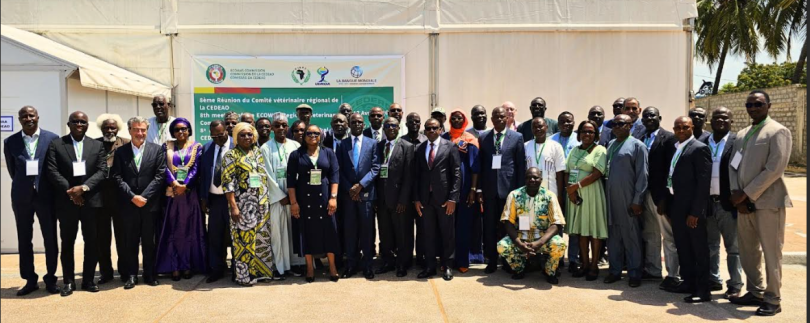
THE Economic Community of West African States, ECOWAS, concluded in Lomé the proceedings of the 8th meeting of the Regional Veterinary Committee, RVC, held from April 15 to 17, 2026, which focused on a strategic issue for the livestock sector: the role of veterinary services in the identification and traceability of livestock.
This regional meeting brought together nearly 60 participants from the veterinary services of ECOWAS member states, as well as representatives from regional institutions, international organizations, technical and financial partners, and experts from the livestock sector.
At the heart of the discussions was the need to strengthen livestock identification and traceability systems, considered essential tools for improving animal health security, combating livestock theft, managing pastoral movements, preventing conflicts, facilitating trade, and supporting the sustainable development of livestock farming in West Africa and the Sahel.
Over the course of three days, experts, national directors of veterinary services, presidents of national veterinary associations, and technical and financial partners shared their experiences, reviewed ongoing initiatives, and discussed innovative solutions, particularly digital ones.
The discussions highlighted the constraints limiting the scaling up of pilot initiatives and the sustainability of livestock identification and traceability systems in West Africa and the Sahel. These include, among others: poor digital coverage in rural areas, difficulties with data collection and reliability, the sometimes unstable security situation, insufficient resources, low ownership by stakeholders and difficulties with regional harmonization.
At the conclusion of the meeting, participants agreed to adopt a coordinated regional approach, led by ECOWAS, while formulating recommendations to strengthen regulatory and institutional frameworks, promote harmonized livestock identification systems, utilize digital technologies, and develop cross-0border initiatives.
A regional roadmap was also adopted to support member states in implementing these systems. It should be noted that during the opening ceremony, officials—including the Acting Executive Director of the Regional Animal Health Center, Eugène Kouassi Koffi, and the Chief of Staff to Togo’s Minister of Agriculture, Fisheries, Animal Resources, and Food Sovereignty of Togo, Konlani Dindiogue, first highlighted the persistent challenges fac-ing the livestock sector, including animal diseases, insecurity, the effects of climate change, con-flicts over access to natural resources, and market constraints.

In light of these challenges, they emphasized the importance of livestock identification and traceability as essential tools for combating these issues, improving health surveillance, and boosting productivity. They also called for the modernization of current systems through innovative solutions, including electronic devices and digital databases.
Through this meeting, ECOWAS reaffirms its commitment to promoting modern, resilient, and integrated livestock farming that contributes sustainably to food security, stability, and the prosperity of West African populations.
A.I
April 27, 2026
Tags: ECOWAS